

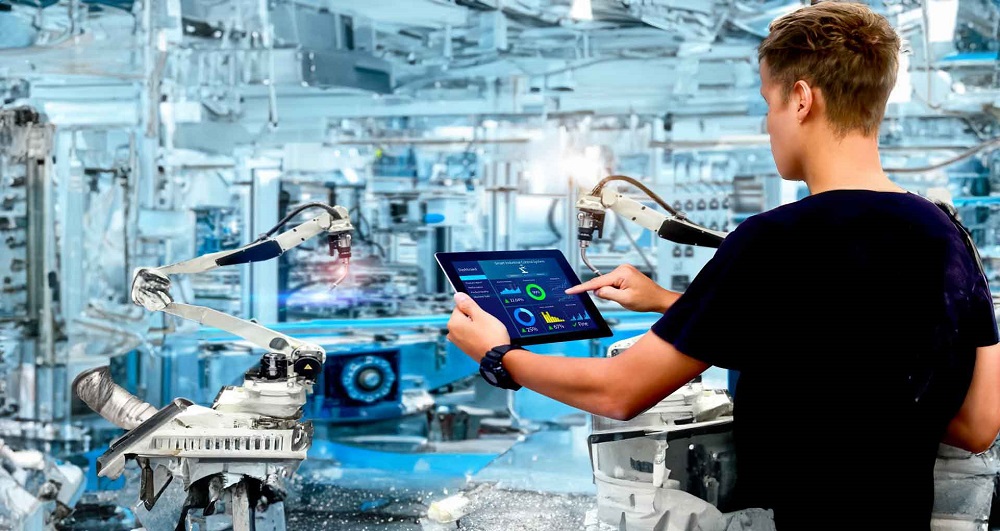
The global industrial landscape is undergoing a profound structural transformation driven by digitalization. For decades, factories, processing plants, and supply chains operated on localized, isolated systems where machinery data remained trapped within specific pieces of equipment. When a machine failed, operations ground to a halt, resulting in costly emergency repairs and catastrophic production delays.
The Industrial Internet of Things, commonly referred to as IIoT, has completely rewritten this operational paradigm. By integrating physical machinery with internet connectivity, advanced sensors, and cloud computing analytics, modern industrial operations have transitioned from reactive environments into intelligent, hyper-connected ecosystems. This integration allows industrial enterprises to capture massive volumes of operational data, streamline asset management, optimize energy consumption, and unlock unprecedented levels of baseline efficiency.
Understanding the Architecture of Industrial IoT
To appreciate the impact of internet-connected systems on modern production facilities, it is essential to understand the underlying framework that allows these networks to function. Unlike consumer smart devices, industrial environments demand extreme reliability, data security, and real-time responsiveness.
-
The Hardware Layer: This foundational layer consists of specialized physical components, including microchip sensors, acoustic transmitters, temperature gauges, and vibration monitors. These devices are retrofitted onto legacy machines or embedded directly into modern equipment to collect granular ambient and performance data.
-
The Network and Edge Computing Layer: Raw data collected by sensors must travel securely across the facility. Industrial networks utilize robust communication protocols to push data to localized gateway devices or edge computing centers, where critical data processing happens close to the source to minimize latency.
-
The Cloud Analytics and Application Layer: Centralized cloud platforms receive the processed information, passing it through machine learning algorithms and big data engines. These systems translate millions of raw data points into actionable operational insights displayed on centralized dashboards for engineering teams.
By coordinating these layers, companies establish a continuous feedback loop that bridges the gap between physical machinery and digital intelligence.
Transforming Maintenance with Predictive Analytics
Unplanned downtime is one of the most expensive challenges facing modern manufacturing and industrial sectors. Traditional maintenance strategies generally follow two models: reactive maintenance, where machines are fixed only after they break, or preventive maintenance, where parts are replaced based on rigid, predetermined schedules regardless of their actual wear.
Smart industrial solutions enable a much more sophisticated approach known as predictive maintenance. Continuous data streams monitor variables like mechanical vibration, internal temperature, fluid pressure, and electrical currents. Every piece of rotating or moving equipment possesses a unique baseline acoustic and thermal signature during optimal operation.
When an internal component, such as a ball bearing, begins to wear down, it generates subtle micro-vibrations and localized friction heat that are completely imperceptible to human operators. Sensitive sensors capture these minor anomalies immediately, flagging the variance to the engineering team. The system estimates the remaining functional lifespan of the part, allowing managers to schedule maintenance during planned weekend shutdowns. This precision prevents sudden catastrophic equipment failure, extends the operational lifecycle of corporate machinery, and protects regular production quotas.
Optimizing Supply Chains and Real-Time Asset Tracking
The influence of smart networks extends far beyond the factory floor, fundamentally restructuring logistics and end-to-end supply chain visibility. Historically, tracking inventory or transit shipments relied on periodic barcode scans at major checkpoints, leaving vast informational gaps during transport.
Integrating connected sensors into logistics networks creates total visibility across global supply chains. Pallets, shipping containers, and vehicle fleets are equipped with specialized tracking units that transmit real-time geographic location coordinates alongside critical ambient metrics.
For example, in pharmaceutical or food processing operations, maintaining a strict cold chain is an absolute regulatory requirement. If a refrigeration system inside a shipping container malfunctions on a highway miles away from the distribution hub, the internal sensor flags the temperature spike instantly. The system triggers an automated alert to the logistics coordinator, who can instruct the driver to address the issue before the delicate cargo spoils. This real-time visibility minimizes asset loss, improves inventory turnover rates, and ensures that raw materials arrive at manufacturing facilities precisely when needed.
Elevating Workplace Safety and Environmental Compliance
Industrial operations inherently involve hazardous environments, heavy machinery, high voltages, and toxic chemicals. Protecting the physical workforce while maintaining compliance with strict environmental regulations is a top priority for corporate leadership.
Smart connected technologies provide comprehensive safety networks that actively protect field technicians and factory personnel. Wearable biometric sensors embedded in hard hats, vests, and wristbands track employee vitals, ambient heat fatigue, and exposure to toxic gases. If a technician enters a high-risk zone with elevated carbon monoxide levels, their wearable device vibrates violently, alerting them to evacuate. Similarly, if an employee falls or suffers a sudden physical impact, built-in accelerometers notify emergency response teams with exact location coordinates within the facility.
From an environmental standpoint, automated sensors placed along emission stacks, water drainage pipes, and chemical storage areas continuously audit out-flow levels. If a filtration system suffers a leak, the sensor detects the chemical anomaly instantly, triggering automated shut-off valves to contain the spill. This rapid automated containment prevents environmental contamination, protects the local ecosystem, and shields the corporation from devastating regulatory fines.
Enhancing Quality Control Through Real-Time Computer Vision
Maintaining consistent product quality is critical for protecting brand reputation and avoiding expensive product recalls. Traditional quality assurance frameworks rely on manual spot-checking, where inspectors evaluate a small percentage of finished items from each production run. This methodology inevitably allows defects to slip through notice.
Modern industrial operations integrate connected high-definition cameras and automated computer vision systems directly into the assembly line. As components pass through the production line at extreme speeds, machine learning models analyze the physical dimensions, surface finish, and alignment of every single product against an exact digital blueprint.
If the system detects a micro-crack, a missing fastener, or a paint blemish that is invisible to the human eye, the product is automatically diverted to a rejection bin via automated robotic arms. Concurrently, the system traces the defect back to the specific machine or assembly step that caused the deviation. If the system notices five consecutive products featuring the exact same defect, it can automatically adjust the upstream machine calibration or pause the line to prevent the widespread manufacturing of faulty inventory.
Overcoming Cyber Security Obstacles in Industrial Integration
While connecting industrial systems yields massive operational benefits, it also expands the digital attack surface of an enterprise. Legacy factories operated on operational technology networks that were completely disconnected from the public internet, making them immune to remote cyber threats. Connecting these physical networks to corporate information technology systems creates new points of vulnerability.
To safely scale connected industrial systems, organizations must adopt a zero-trust architecture. This approach requires implementing granular network segmentation, where critical machinery operates on isolated subnetworks entirely separate from standard corporate email servers or administrative systems.
Furthermore, all data transmitted between edge sensors and cloud applications must utilize advanced end-to-end encryption protocols to prevent external interception or unauthorized command injections. Continuous automated network monitoring, routinely updated device firmware, and strict user authentication access rights are mandatory to protect critical infrastructure from malicious disruption.
Frequently Asked Questions
What is the fundamental difference between standard IoT and Industrial IoT?
Standard IoT focuses primarily on consumer convenience, home automation, and personal devices like smart thermostats or fitness trackers. Industrial IoT operates on a much larger scale, demanding industrial grade ruggedness, extreme fault tolerance, low latency data processing, and highly secure communication protocols capable of operating reliably in harsh environments like steel mills or offshore oil rigs.
How can a manufacturing plant retrofit legacy machinery with modern IoT capabilities?
Organizations do not need to replace multimillion-dollar machinery to adopt smart capabilities. Engineers retrofit legacy equipment by installing external non-invasive sensors, such as clip-on vibration meters, thermal cameras, and current transducers, and connecting them to localized edge computing gateways that convert old analog signals into secure digital data streams.
What role does 5G connectivity play in the expansion of modern industrial operations?
5G connectivity provides the massive bandwidth, ultra-low latency, and high device density necessary to support thousands of active sensors within a single industrial facility. It allows for near-instantaneous communication between autonomous mobile robots, automated guided vehicles, and central cloud servers, enabling real-time remote operation of heavy equipment.
How does the implementation of industrial sensors affect corporate sustainability goals?
Industrial sensors optimize energy and resource utilization by tracking exactly where waste occurs. Smart power meters identify machinery drawing excessive current due to friction or inefficiency, while smart valves detect compressed air or water leaks instantly, helping corporations significantly reduce their overall carbon footprint and utility expenses.
What is a digital twin, and how does it relate to connected industrial environments?
A digital twin is a highly detailed virtual replica of a physical asset, production line, or complete industrial facility. By feeding real-time data from physical sensors into the digital twin, engineers can run virtual simulations, test operational changes, and predict performance outcomes without disrupting actual day-to-day physical operations.
How do edge computing and cloud computing share responsibilities in an industrial network?
Edge computing handles time-sensitive, localized data processing right at the machine level, allowing for instant safety shutdowns or quick adjustments without waiting for data transmission to the cloud. Cloud computing handles the long-term storage of massive datasets, deep machine learning model training, and facility-wide trend analysis that requires heavy computational processing.
What are the main obstacles companies face during the initial deployment of smart industrial systems?
The primary challenges include high upfront capital costs for hardware installation, cultural resistance from traditional workforces, difficulties integrating fragmented proprietary software systems, and a shortage of specialized talent capable of managing both physical operational technology and digital information systems simultaneously.