

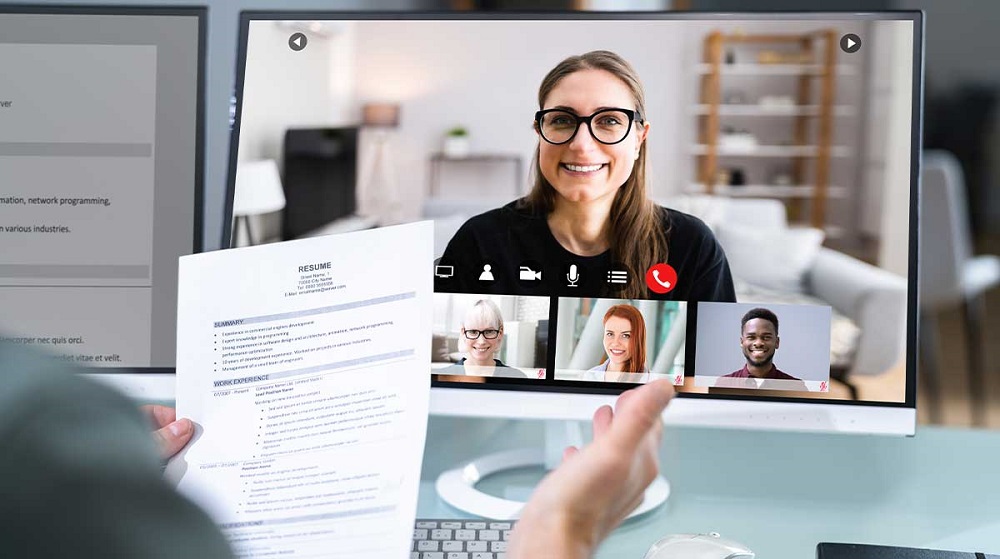
The modern workplace has evolved far beyond the boundaries of a centralized corporate office. What began as a temporary response to global operational disruptions has permanently restructured how organizations function. The hybrid work model, which blends in-office attendance with remote collaboration, is now a standard operational framework for businesses seeking to attract top-tier talent and lower overhead expenses.
Managing a split workforce introduces severe leadership challenges. Traditional management models, which heavily rely on physical presence, visibility, and localized oversight, fail when teams are distributed across distinct time zones and locations. For executive leaders, navigating this dual operational environment requires a shift in management strategy. Succeeding in this model demands clear communication architecture, objective performance metrics, deliberate cultural development, and specialized technological workflows that align disparate teams into a unified workforce.
Shifting Management Philosophy from Presence to Outcome
The most critical barrier to successful hybrid management is the persistence of presenteeism, the flawed management assumption that physical presence correlates directly with productivity. In an office-centric environment, managers often judge employee dedication by visual cues, such as who arrives earliest or sits at their desk longest.
Applying this outdated metric to a hybrid team creates major operational inefficiencies. It incentivizes remote employees to simulate activity by sending superficial emails or keeping communication status indicators active, rather than focusing on impactful work. Furthermore, it fosters proximity bias, a subconscious tendency for leaders to favor, promote, and reward employees who choose to work physically close to them in the office.
To lead a hybrid workforce effectively, organizations must shift to an objective, outcome-based management model. Leaders must define success through measurable outputs, deliverables, and key performance indicators rather than hours logged. By establishing precise quarterly targets and transparent project milestones, managers can evaluate performance accurately, regardless of where an individual completes their daily tasks. This structural transparency eliminates bias, increases employee autonomy, and builds a culture centered entirely on operational execution.
Establishing an Asynchronous Communication Architecture
In a traditional office, real-time, synchronous communication is the default setting. Employees tap colleagues on the shoulder for quick questions, gather for impromptu meetings, and rely on casual hallway conversations to pass information along. When a team transitions to a hybrid split, forcing this constant real-time interaction onto remote workers causes severe digital fatigue.
-
The Trap of Continuous Connectivity: Requiring employees to respond to chat messages instantly creates a reactive work environment. Remote workers find their days fragmented by endless notifications, preventing the uninterrupted time blocks needed for deep, analytical task execution.
-
Documenting Information by Default: Hybrid leaders must adopt an asynchronous communication strategy where information is recorded permanently in writing. Project updates, meeting summaries, and corporate decisions must reside within centralized, searchable databases. This ensures that an employee working remotely or in a different time zone can access crucial project data without needing to schedule a real-time call.
-
The Golden Rule of Meetings: Before scheduling a real-time video conference, managers must evaluate if the objective can be achieved through a shared document or an asynchronous status update. Meetings in a hybrid environment should be strictly reserved for collaborative brainstorming, complex problem-solving, or critical team alignment.
By establishing clear expectations regarding communication response times, leaders can reduce burnout while ensuring that critical information flows seamlessly across the entire organization.
Designing a Purpose Driven Office Experience
A common mistake in hybrid operations is failing to define the distinct roles of the home office and the corporate headquarters. When employees commute to an office facility only to spend eight hours sitting in isolation on video calls, they experience frustration and disengagement. The physical office should not function as a redundant monitoring hub; it must serve as a intentional tool for collaborative work.
Mitigating Team Fragmentation and Psychological Distance
When a workforce splits across multiple locations, the natural social cohesion that binds teams together can erode. Remote workers often report feelings of isolation or detachment from the broader corporate mission, while in-office personnel can form cliquish subcultures that alienate distant colleagues. This psychological distance directly undermines cross-departmental collaboration and long-term employee retention.
To counteract team fragmentation, hybrid leaders must deliberately build social connection into their operational workflows. This does not mean hosting forced virtual happy hours, which employees often find draining. Instead, it involves embedding collaborative structures directly into regular business hours.
Managers should facilitate paired mentorship programs that deliberately cross-link remote and in-office personnel for specific project assignments. Additionally, beginning team meetings with a brief, informal check-in allows individuals to share personal updates and build personal rapport. When leadership shows vulnerability and actively checks on the psychological well-being of the team, it creates a safe environment that sustains institutional loyalty across a distributed workforce.
Equitably Managing Career Advancement and Professional Development
Maintaining strict equity in career progression is one of the most complex responsibilities facing a hybrid leader. Proximity bias naturally predisposes executives to select the individuals they see daily for stretch assignments, high-profile clients, and leadership tracks. Over time, this creates a two-tiered employee class system where remote workers hit an invisible career ceiling.
To guarantee institutional equity, human resource departments and team leaders must regularize the promotion and professional development review process. All career pathways, promotion criteria, and performance scorecards must be codified in writing and accessible to every employee.
When a high-value project becomes available, leaders should utilize a standardized competency grid to assign the task based on objective skill sets and past performance data, rather than choosing the individual who happens to walk past their office door. Furthermore, learning and development budgets must support remote training options equally, ensuring that every worker has equivalent access to the resources required to upskill and advance within the corporate structure.
Frequently Asked Questions
How can a manager identify signs of employee burnout in a remote or hybrid setting?
Burnout in distributed environments manifests through subtle behavioral shifts rather than outward complaints. Leaders should look for sudden drops in communication responsiveness, a noticeable decline in the quality of deliverables, unusual absenteeism, or an employee sending digital messages at irregular late-night hours, which indicates an inability to disconnect from work tasks.
What is the most effective way to onboard a new employee into a hybrid team structure?
Successful hybrid onboarding requires a structured mix of digital documentation and in-person connection. New hires should spend their first week primarily in the physical office to bond with their immediate supervisor and peers. This should be coupled with a comprehensive digital portal containing clear training modules, documented processes, and an assigned peer mentor to guide them during remote work days.
How should leaders handle conflicts that arise between remote and in-office team members?
When interpersonal friction occurs, managers must avoid handling the dispute via text-based communication like chat apps or email, as written words easily escalate misunderstandings. Conflict resolution must take place via live video call or face-to-face meetings, where vocal tones and facial expressions can be read accurately, allowing for an empathetic and objective resolution.
Should hybrid organizations implement digital tracking software to monitor remote employee screens?
Implementing invasive surveillance software is highly counterproductive. Surveillance signals a fundamental lack of organizational trust, decimates employee morale, and drives high attrition rates among top talent. Leaders should instead direct their administrative energy toward tracking output metrics, project completion deadlines, and the overall quality of completed work.
How do leaders maintain data security standards when employees access corporate networks from home?
Maintaining a secure hybrid perimeter requires establishing a comprehensive zero-trust IT framework. The organization must mandate the use of secure virtual private networks, implement strict multi-factor authentication protocols for every application login, issue corporate-managed hardware devices, and run continuous cybersecurity awareness training to prevent phishing exploits.
What parameters should dictate which roles are eligible for hybrid schedules versus full in-office attendance?
Eligibility must be determined through a systematic role analysis rather than individual worker preference or managerial favoritism. Roles that require physical machinery interaction, secure on-site data handling, or continuous walk-in customer service are classified as full in-office positions, whereas roles centered on data analysis, writing, programming, or individual strategy are inherently suited for hybrid flexibility.