

Expert Corner Applications India
Air in a chemical plant is not just for cleaning workplace surfaces. It functions as an essential feedstock and raw process material. Poor air quality leads directly to severe consequences, including ruined batches or dangerous industrial explosions. Air supply keeps the plant running safely.
Why Does the Air Actually Touch the Product?
Most operations use compressed air solely to power tools. Chemical plants use air as a direct contact medium during production.
Take pneumatic conveying systems moving dry chemical powders. Manual handling carries high safety risks, so fast air streams fluidize solids to push them through pipes. Any water or compressor oil in that air makes powders clump instantly. That creates stubborn line blockages and forces costly plant shutdowns.
Direct process air carries even higher risks during oxidation reactions. Tiny traces of compressor oil entering a reactor coat the catalytic material, ruining the entire bed permanently. Replacing catalyst beds costs huge sums, making clean, oil-free air a strict operational requirement.
Safety and the “Hygroscopic” Problem
Many raw chemicals are hygroscopic and pull moisture straight out of ambient air. Delivering moist compressed air triggers unwanted reactions inside processing equipment. When handling water-reactive compounds, these accidental chemical reactions release intense heat and create immediate fire threats.
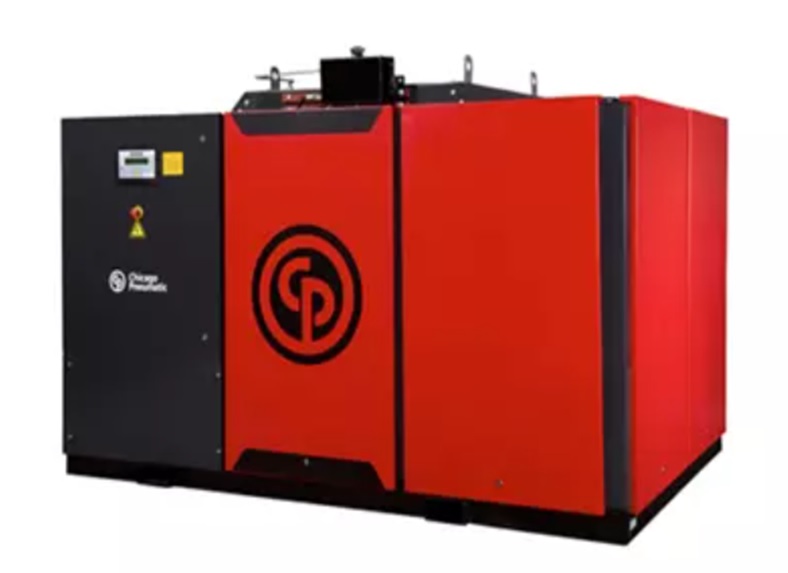
This risk drives engineers to select oil-free reciprocating compressors instead of lubricated units. Downstream air filters are not foolproof because they saturate, fail, or get neglected during routine maintenance. Eliminating oil inside the compression chamber removes the contamination threat right at the source.
Saving Costs in Round-the-Clock Operations
Chemical facilities operate continuously, making energy management critical for holding down running costs.
Variable Speed Drives (VSD): Air demand shifts throughout the day, so running motor units at full power continuously wastes huge energy. Variable Speed Drive technology changes motor speed automatically to fit immediate demand, lowering electric bills during lighter production periods.
High-Performance Drying: Sensitive chemical processes need extremely dry air streams. Desiccant dryer units lower pressure dew points down to minus seventy degrees Celsius, preventing moisture interference completely.
Engineered for Harsh Environments: Chemical plant atmospheres contain corrosive gases that degrade standard equipment. Specialty protective coatings and corrosion-resistant alloys stop premature machinery wear and extend unit lifespan.
Safety across a plant depends on eliminating its weakest link. Skimping on compressed air quality endangers personnel and destroys product quality. Investing in dedicated oil-free systems delivers long-term operational safety and process stability.